
Self-Care for Anxiety and Late-Summer Stress in Pennsylvania (2026)
Last Updated: August 4, 2026.
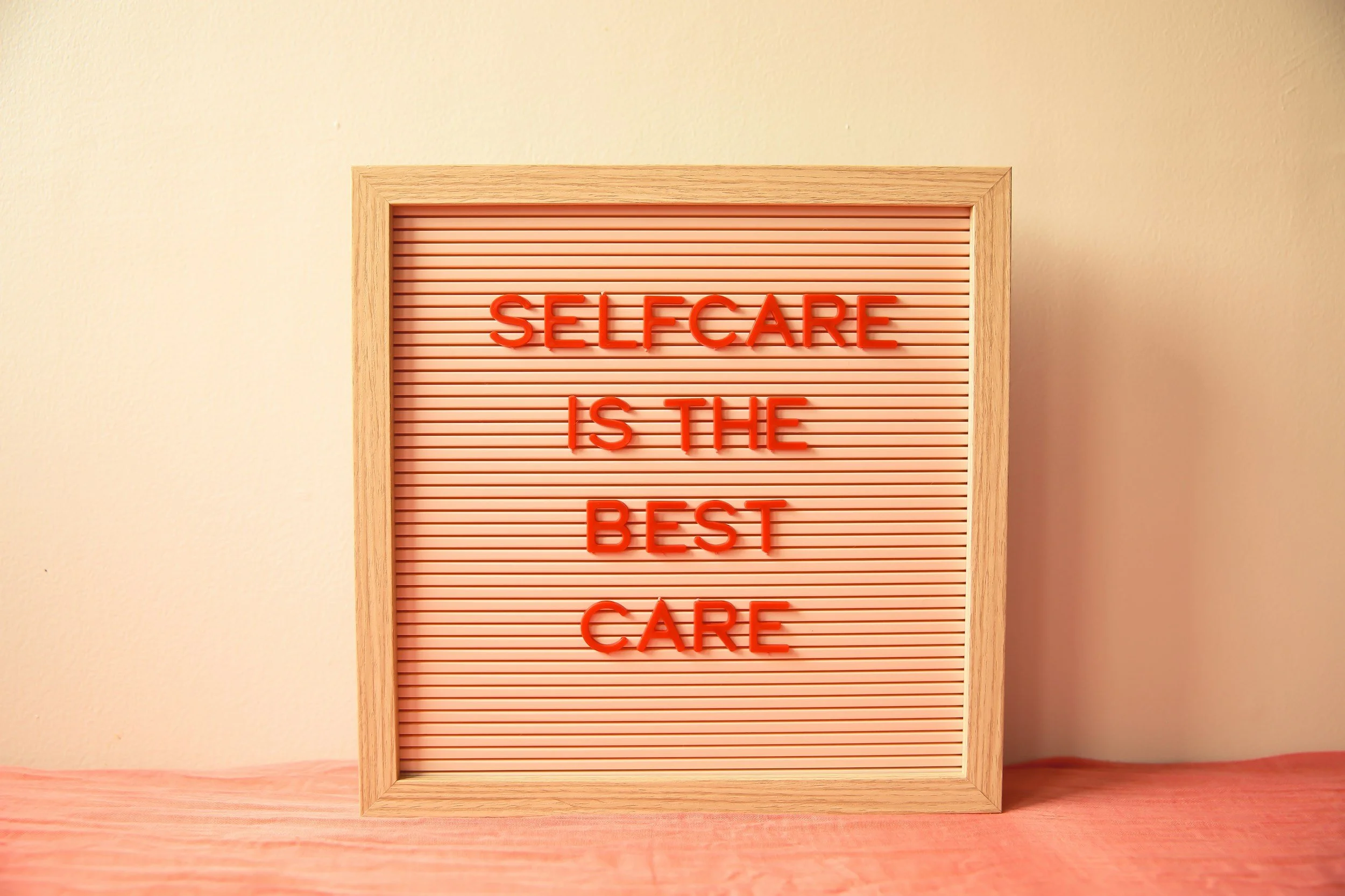
International Self-Care Day is observed in July, but the need for realistic mental health support continues throughout the year. August is National Wellness Month, offering another reminder that self-care is more than relaxation, shopping, or taking an occasional break.
Realistic self-care may include protecting sleep, setting healthier boundaries, reducing screen overload, attending medical appointments, asking for practical help, staying connected to supportive people, or beginning therapy when anxiety, stress, or emotional exhaustion becomes difficult to manage alone.
Late summer may bring heat, disrupted sleep, financial pressure, changing childcare needs, back-to-school planning, college transitions, work demands, and pressure to make the most of the remaining summer. These experiences may increase anxiety symptoms, irritability, burnout, or end-of-summer sadness.
Adaptive Behavioral Services offers secure online therapy across Pennsylvania. Same-week appointments may be available.
Why Self-Care Matters During Late Summer
Summer is often expected to feel relaxing, but the season can also bring changing routines, childcare responsibilities, travel, financial pressure, family expectations, social obligations, heat, and disrupted sleep.
By August, some people feel emotionally tired rather than refreshed. They may experience irritability, low motivation, loneliness, difficulty concentrating, anxiety about returning to school or work routines, or disappointment that summer did not feel as restorative as expected.
Heat and uncomfortable sleeping conditions may also affect mood, energy, and patience. These experiences should not automatically be labeled as a mental health disorder, but persistent symptoms deserve attention.
Self-care is most helpful when it responds to the actual source of stress. Someone who is exhausted may need rest or schedule changes. Someone who feels isolated may need connection. Someone experiencing persistent anxiety or depression may benefit from professional mental health support.
Signs You May Need Additional Support
Consider paying closer attention when you notice:
Persistent anxiety even when there is no clear immediate problem
Racing thoughts or difficulty mentally disconnecting
Trouble falling asleep, staying asleep, or feeling rested
Irritability or emotional overwhelm
Feeling pressured to be more social or productive than you can manage
Avoiding responsibilities or activities because of anxiety or exhaustion
Feeling disconnected, unmotivated, lonely, or burned out
Increasing screen use to avoid uncomfortable thoughts or emotions
Difficulty managing ordinary decisions or routine changes
Anxiety connected to returning to school, college, or a structured work schedule
These signs do not automatically indicate a diagnosis. Therapy may be helpful when symptoms are persistent, distressing, or interfering with work, school, sleep, relationships, parenting, or daily functioning.
Persistent or concerning physical symptoms should also be discussed with a qualified medical provider.
Practical Anxiety Coping Strategies
Self-care works best when it is simple, realistic, and repeatable. Choose one or two strategies that address what is currently creating the most stress.
1. Use a Grounding Exercise
Bring your attention to what is happening around you. You might identify things you can see, feel, and hear or notice how your feet feel against the floor.
Grounding does not require making every anxious thought disappear. It can help you return your attention to the present moment.
2. Slow Your Breathing
Breathe gently and allow the exhale to be slightly slower than the inhale. Avoid forcing very deep breaths if that causes lightheadedness or discomfort.
3. Protect Your Sleep Routine
Try maintaining a consistent wake time, reducing late-night screen use, and creating a short wind-down routine.
Back-to-school and college transitions may be easier when sleep schedules begin changing gradually rather than the night before classes start.
4. Reduce Unnecessary Screen Overload
Consider taking breaks from notifications, social media, news, or work messages. A screen-free meal or brief evening break may be more realistic than attempting a complete digital detox.
5. Set Boundaries Around Plans and Responsibilities
You do not have to accept every invitation, solve every family problem, or remain constantly available. Boundaries may include declining a plan, leaving an event early, delaying a nonessential task, or asking someone else to help.
6. Ask for Specific Support
Instead of saying, “I need help,” consider making a specific request:
“Could you handle pickup today?”
“Can we talk for ten minutes?”
“Could you help me organize the school schedule?”
“Can you come with me to this appointment?”
7. Consider Therapy
Therapy may help you understand anxiety symptoms, identify triggers, reduce avoidance, strengthen boundaries, and develop coping strategies that fit your responsibilities and values.
Learn more about individual online therapy.
Self-Care Is Support, Not Perfection
Many people wait until they are completely overwhelmed before asking for help. National Wellness Month can be a reminder that support does not have to wait until stress becomes unmanageable.
Self-care may look different depending on a person’s needs, culture, responsibilities, health, finances, and available support. It should not become another standard that makes someone feel guilty for not maintaining a perfect routine.
For Pennsylvania residents balancing work, school, caregiving, parenting, transportation, or privacy concerns, online therapy may make consistent mental health support easier to access without regular travel.
Frequently Asked Questions About Self-Care and Anxiety
Q: What are simple anxiety coping strategies I can try?
A: Slow breathing, grounding, reducing stimulation, journaling, protecting sleep, taking screen breaks, and focusing on one manageable task may help. Persistent symptoms may benefit from professional support.
Q: Can late summer affect anxiety or mood?
A: Yes. Heat, disrupted sleep, financial pressure, changing childcare or school routines, social expectations, and anxiety about upcoming transitions may affect emotional wellness.
Q: What is National Wellness Month?
A: National Wellness Month is observed in August and encourages attention to physical, emotional, and social well-being. For mental health, wellness may include boundaries, sleep, relationships, therapy, medical care, and realistic daily support.
Q: Is self-care enough for anxiety or depression?
A: Self-care may support mental wellness, but it is not always a replacement for therapy or medical care. Consider professional support when symptoms are persistent, worsening, or interfering with daily functioning.
Q: Can online therapy help with anxiety?
A: Online therapy may help clients understand anxiety patterns, develop coping strategies, manage stress, reduce avoidance, and build healthier routines in a private setting.
Q: Can online therapy support back-to-school anxiety?
A: It may help students and families improve communication, prepare for routine changes, understand anxiety symptoms, and develop manageable coping strategies.
Self-Care During Back-to-School and College Transitions
August routines may affect students, parents, caregivers, educators, and college-age young adults.
Back-to-school anxiety may involve worry about:
New teachers or classmates
Academic expectations
Bullying or social belonging
Transportation changes
Earlier wake-up times
Busy or overstimulating environments
Returning after a difficult previous school year
College transition anxiety may involve moving away from home, adjusting to roommates, managing finances, balancing work and classes, finding friends, or learning how to ask for help independently.
Self-care during these transitions can include:
Preparing one part of the routine at a time
Gradually adjusting sleep schedules
Identifying a trusted person at school or college
Keeping expectations realistic during the first weeks
Protecting time for meals and rest
Discussing persistent anxiety before attendance or functioning is significantly affected
Parents and caregivers can explore online family therapy.
Ready to Support Your Mental Health This August?
You do not need to build a perfect self-care routine before asking for support.
Adaptive Behavioral Services offers secure online therapy across Pennsylvania. Same-week appointments may be available.
Online therapy may support clients experiencing anxiety symptoms, stress, depression, trauma, burnout, family conflict, sleep disruption, emotional overwhelm, back-to-school stress, or major life transitions.
Visit the online therapy scheduling page, call (412) 661-7790, or email info@absjamz.com.
Subscribe for Pennsylvania-focused mental health updates, anxiety coping strategies, realistic self-care tools, National Wellness Month resources, back-to-school guidance, online therapy insights, and emotional wellness support for changing routines.