
Pittsburgh Events & Social Anxiety 2026: Crowds, Sensory Overload & Online Therapy
Estimated Read Time: 8 min
Last Updated: August 7, 2026
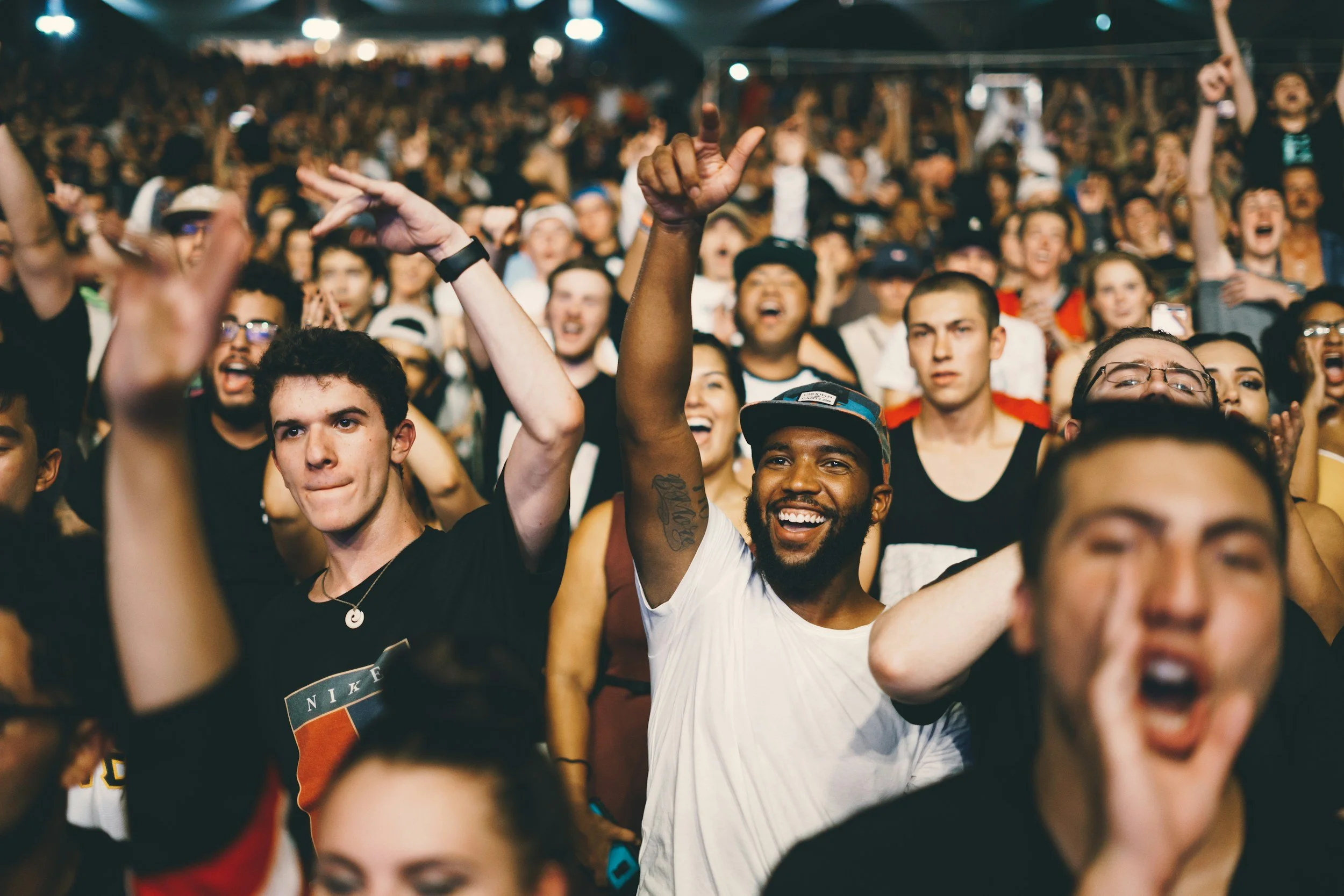
Pittsburgh’s summer event season continues through August, bringing festivals, community gatherings, outdoor activities, and other opportunities to connect. For some people, these experiences are exciting. For others, crowds, noise, unfamiliar environments, social expectations, heat, transportation, or fear of feeling overwhelmed may make attending more stressful.
August events include Bloomfield Little Italy Days, the Pittsburgh Renaissance Festival, and PedalPGH. Little Italy Days runs August 13–16 in Bloomfield, while the Pittsburgh Renaissance Festival begins August 22 and continues on weekends and Labor Day through September 27. PedalPGH takes place August 30.
The goal does not have to be attending every event or staying as long as everyone else. Planning around your comfort, energy, accessibility needs, and emotional limits can make community participation feel more manageable.
Adaptive Behavioral Services offers secure online therapy across Pennsylvania. Same-week appointments may be available.
Learn more about individual online therapy
Why Pittsburgh Events May Feel Overwhelming
Social anxiety can involve persistent concern about being judged, embarrassed, rejected, watched, or uncomfortable around other people.
Large events may add other sources of stress, including:
Crowds and long lines
Noise or intense sensory stimulation
Heat or physical discomfort
Parking and transportation uncertainty
Navigating an unfamiliar location
Worry about running into someone
Pressure to socialize
Fear of feeling anxious in public
Uncertainty about when or how to leave
Feeling responsible for keeping up with a group
Someone can genuinely want to participate in an event while also feeling anxious about attending.
The goal does not have to be eliminating every anxious feeling. It may be more realistic to prepare for what you can control and give yourself permission to adjust the plan.
Little Italy Days and Crowd-Related Anxiety
Bloomfield Little Italy Days is scheduled for August 13–16, 2026, along Liberty Avenue in Pittsburgh’s Bloomfield neighborhood.
A busy neighborhood festival may create stress related to:
Large crowds
Noise and live entertainment
Waiting in lines
Heat
Finding transportation or parking
Staying with a group
Making decisions in a busy environment
Feeling uncomfortable leaving before other people
Before attending a large community event, consider making a simple plan:
Decide who you are going with
Review the general location beforehand
Choose a realistic amount of time to stay
Identify somewhere you can briefly step away from crowds
Let the people with you know if you may need a break
Give yourself permission to leave if you become overwhelmed
Planning is not a guarantee that anxiety will disappear. It can simply reduce some of the uncertainty surrounding the experience.
Pittsburgh Renaissance Festival: Social Pressure, Crowds & Taking Breaks
The Pittsburgh Renaissance Festival begins its 2026 season on August 22 and runs on weekends and Labor Day through September 27 in West Newton.
Immersive events can be enjoyable while still creating social or sensory pressure.
Someone may feel anxious about:
Large groups of people
Unfamiliar surroundings
Costumes or feeling visually noticeable
Noise and performances
Meeting new people
Staying longer than their energy allows
Feeling pressure to participate in every activity
Asking friends or family for a break
You do not need to experience every part of an event for the day to be worthwhile.
If your energy begins dropping, consider taking a quieter break, reducing the number of activities you planned, or telling the person you are with that you need time away from the busiest areas.
Setting limits can allow an event to remain enjoyable instead of becoming an endurance test.
PedalPGH, Community Activities & Performance Pressure
PedalPGH takes place August 30, 2026, with routes beginning and ending around Allegheny Commons Park.
Community activities may create a different kind of anxiety. Someone may worry about keeping pace with other people, arriving on time, navigating the event, being watched, or comparing their ability with other participants.
A healthier approach is to focus on your own experience rather than treating a community activity as a test of worth or performance.
When participating in a physical community event, follow the organizer’s safety guidance and choose activities that are appropriate for your health and abilities. Anyone with medical or physical concerns should consult an appropriate healthcare professional.
Community involvement can look different from person to person. Participating in a way that respects your limits still counts.
National Wellness Month and Social Wellness
August is National Wellness Month, and social wellness can be part of the conversation.
Wellness does not require attending every gathering, being outgoing, or having a packed social calendar.
For someone experiencing social anxiety, wellness may involve:
Spending time with people who feel supportive
Setting limits around social plans
Choosing smaller gatherings
Protecting recovery time after busy events
Asking for accessibility accommodations when needed
Reducing social-media comparison
Talking with a therapist when anxiety limits activities you genuinely want to participate in
Healthy social connection should leave room for individual needs, personality, culture, energy, accessibility, and boundaries.
Signs Social Anxiety May Need More Attention
Consider additional support when you regularly notice:
Wanting to attend activities but feeling unable to leave home
Avoiding gatherings primarily because you fear judgment
Replaying conversations for long periods afterward
Persistent worry about embarrassing yourself
Canceling plans you genuinely wanted to attend
Avoiding speaking, eating, or other ordinary activities around people
Significant anxiety before school, work, family, or community events
Social-media comparison that affects confidence or mood
Social anxiety interfering with relationships or everyday responsibilities
Being introverted, preferring smaller gatherings, or needing time alone does not automatically mean someone has social anxiety.
Professional support may be helpful when fear or avoidance repeatedly limits daily functioning or activities that matter to you.
Anxiety Coping Strategies for Pittsburgh Events
1. Make a Simple Plan Before You Arrive
Uncertainty can add to event-related stress.
Before attending, consider:
Who you will be with
Approximately how long you want to stay
How you will get home
Where you might take a quieter break
Who you can contact if you feel overwhelmed
Which activities matter most to you
You do not need an elaborate plan. Knowing a few basic details may make an unfamiliar environment feel more manageable.
2. Use Grounding Techniques in the Moment
Grounding helps bring your attention back to the present moment.
Try this:
✔ Name 5 things you can see
✔ Name 4 things you can feel
✔ Name 3 things you can hear
✔ Name 2 things you can smell
✔ Name 1 thing you can taste
This can help when anxiety symptoms start rising in a crowd.
3. Slow Things Down When Anxiety Rises
If you notice anxiety increasing, try reducing the amount of stimulation around you.
You might:
Step away from the busiest area
Slow your breathing without forcing unusually deep breaths
Focus on what you can see and hear around you
Drink some water
Sit somewhere quieter when available
Tell the person with you that you need a break
Focus only on the next step rather than the entire event
The goal is not to force yourself to become calm immediately. Give yourself time to respond to what you are feeling.
4. Reduce Social Media Comparison
Pittsburgh events often show up everywhere online. Seeing photos, outfits, groups, travel plans, and event updates can increase fear of missing out or make you feel like you are not doing enough.
Try:
✔ Limiting scrolling before the event
✔ Avoiding comparison after the event
✔ Reminding yourself that posts do not show the full experience
✔ Muting accounts that trigger anxiety or self-judgment
✔ Taking breaks from event content if it becomes overwhelming
You are allowed to enjoy an event quietly, briefly, differently, or not at all.
5. Leave Room for Recovery
A busy social event may be tiring even when you enjoyed it.
Afterward, you may want:
Quiet time
Rest
A regular meal
Less screen stimulation
Time alone
A conversation with someone supportive
Fewer additional plans that day
If social experiences regularly lead to significant distress, avoidance, or emotional exhaustion, consider discussing those patterns with a therapist.
What If Anxiety Becomes Intense at an Event?
Strong anxiety may involve a racing heart, shaking, sweating, dizziness, nausea, shortness of breath, or a strong urge to leave.
If symptoms begin:
Move to a quieter area when possible
Slow your breathing
Focus on your immediate surroundings
Tell someone you trust what is happening
Sit down if you feel unsteady
Leave the event if you need to
Anxiety symptoms can sometimes resemble physical health problems. Sudden, severe, unfamiliar, or concerning symptoms should be evaluated by an appropriate medical professional rather than automatically assumed to be anxiety.
Recurring episodes that interfere with everyday life are also worth discussing with a licensed mental health professional.
Can Therapy Help With Social Anxiety?
Therapy may help someone understand social anxiety patterns, identify triggers, address avoidance, strengthen communication, and develop coping strategies for situations that feel difficult.
Possible concerns to discuss in therapy include:
Fear of judgment
Social avoidance
Event-related anxiety
Persistent overthinking after conversations
Panic-like symptoms
Social-media comparison
Low confidence
Relationship pressure
Difficulty setting social boundaries
Adaptive Behavioral Services offers secure online therapy across Pennsylvania, which may reduce travel barriers for clients who prefer beginning therapy from a private location.
Explore online therapy services
What About Medication for Anxiety?
Medication questions should be discussed with a qualified medical professional who can consider the person’s symptoms, medical history, other medications, and individual needs.
Do not begin, stop, or change a prescription based on social-media advice or information from an event-planning article.
Therapy and medical treatment serve different roles. A therapist may help with emotional and behavioral patterns related to anxiety, while medication decisions should remain with an appropriately qualified medical provider.
You Can Enjoy Pittsburgh in a Way That Works for You
You do not have to attend every event, stay all day, socialize nonstop, or pretend you are fine. You are allowed to plan around your nervous system. You are allowed to take breaks. You are allowed to leave early. You are allowed to enjoy Pittsburgh events in a way that feels emotionally safe.
Whether you are planning around the Picklesburgh schedule, checking Anthrocon hotels, looking up fireworks near me, or deciding whether you have the energy to attend anything at all, your mental health matters.
Frequently Asked Questions About Social Anxiety at Events
Q: Can large Pittsburgh events feel overwhelming for someone with social anxiety?
A: Yes. Crowds, noise, transportation, unfamiliar surroundings, social expectations, and fear of judgment may increase anxiety for some people.
Q: Why do I feel anxious before an event even starts?
A: Worry may begin when someone starts imagining possible uncomfortable situations. Planning a few practical details and discussing persistent anticipatory anxiety with a therapist may help.
Q: Do I need to stay at an event if I become overwhelmed?
A: No. Taking a break, changing the plan, or leaving early may be appropriate when you need it.
Q: What are simple coping strategies for crowded events?
A: Plan basic logistics, stay connected to someone you trust, take quieter breaks, reduce social-media comparison, slow your breathing, and focus on one step at a time.
Q: Can social media make event anxiety worse?
A: It may. Seeing other people’s photos, outfits, groups, or activities can increase comparison or fear of missing out for some people.
Q: Can online therapy help with social anxiety?
A: Online therapy may help clients understand anxiety patterns, reduce avoidance, strengthen boundaries, and develop coping strategies for situations that matter to them.
Q: What if my symptoms feel physical?
A: Anxiety can involve physical sensations, but new, severe, or concerning symptoms should be evaluated by a qualified medical provider.
Q: What does National Wellness Month have to do with social anxiety?
A: Emotional and social wellness can include supportive relationships, realistic boundaries, rest, accessibility, and asking for professional support when anxiety interferes with daily life.
Get Support for Social Anxiety in Pennsylvania
You do not need to avoid every social situation before asking for help.
Adaptive Behavioral Services offers secure online therapy across Pennsylvania. Same-week appointments may be available.
Online therapy may support clients experiencing social anxiety, persistent worry, event-related stress, social avoidance, emotional overwhelm, digital comparison, relationship concerns, or difficulty setting boundaries.
📍 Or contact ABS at (412) 661-7790 or info@absjamz.com.